


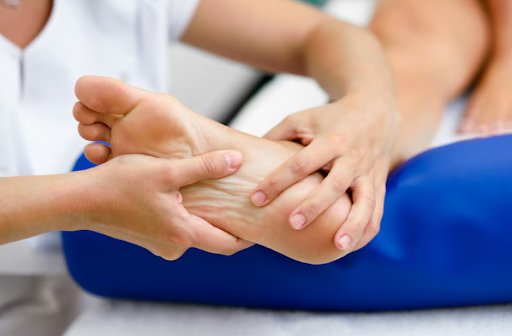
How Diabetic Foot Care Supports Healthy Feet for People with Diabetes
People with diabetes need to pay special attention to their feet because high blood sugar levels can cause damage to nerves and blood vessels. This can lead to serious complications if not managed properly. Proper care of the feet is essential to prevent infections, ulcers, and other problems that could affect mobility and overall health. Practicing consistent diabetic foot care can help people with diabetes maintain healthy feet and improve their quality of life.
Understanding the Importance of Diabetic Foot Care
Diabetic foot care is essential because diabetes can reduce the body’s ability to heal and fight infections. High blood sugar can damage nerves, causing a condition known as diabetic neuropathy, which reduces sensation in the feet. This means a person might not feel injuries like cuts, blisters, or burns. Poor blood circulation, another complication of diabetes, can make it harder for wounds to heal. By practicing proper diabetic foot care, individuals can detect problems early, avoid serious complications, and maintain foot health.
Daily Foot Care Habits for People with Diabetes
A key part of diabetic foot care is daily monitoring and hygiene. People with diabetes should wash their feet daily with lukewarm water and mild soap, taking care to dry thoroughly, especially between the toes. Inspecting the feet for cuts, blisters, redness, swelling, or other abnormalities is equally important. Keeping toenails trimmed straight across and avoiding sharp tools can prevent injuries. Moisturizing the feet helps prevent dry skin, but it is important to avoid applying lotion between the toes to reduce the risk of fungal infections. These simple daily habits form the foundation of effective diabetic foot care.
Choosing the Right Footwear
Wearing proper footwear is another critical aspect of diabetic foot care. Shoes should fit well and provide adequate support without causing pressure points or friction. Ill-fitting shoes can lead to blisters, corns, or calluses, which may become infected if unnoticed. Specialized diabetic socks that are soft and moisture-wicking can also help reduce the risk of skin irritation. People with diabetes should avoid walking barefoot, even indoors, to protect their feet from injuries that may go unnoticed due to reduced sensation.
Regular Medical Check-Ups
Routine medical check-ups play a significant role in diabetic foot care. Regular visits to a healthcare provider or podiatrist allow for professional assessment of foot health. Medical professionals can identify early signs of nerve damage, poor circulation, or foot deformities and recommend preventive measures. People with diabetes should also report any foot injuries, infections, or changes in skin color immediately, as early treatment can prevent serious complications.
Managing Complications and Preventive Strategies
Diabetic foot care also includes strategies to prevent complications. Controlling blood sugar levels is fundamental, as it helps reduce the risk of nerve and blood vessel damage. Maintaining a healthy diet, exercising regularly, and following prescribed medication plans support overall foot health. In addition, avoiding smoking improves circulation, which is essential for healing. For people at higher risk of foot problems, protective devices such as orthotics or cushioned insoles may be recommended to reduce pressure on sensitive areas.
Education and Awareness
Educating oneself about diabetic foot care is vital for long-term foot health. Understanding the risks associated with diabetes and learning preventive techniques can empower individuals to take proactive steps. Support from healthcare providers, family, or community programs can further enhance awareness and encourage consistent foot care routines. Being informed about warning signs and early symptoms helps people respond quickly, preventing minor issues from developing into serious problems.
Conclusion
Diabetic foot care is an essential part of managing diabetes and maintaining overall health. Through daily hygiene, proper footwear, regular medical check-ups, and preventive strategies, people with diabetes can significantly reduce the risk of foot complications. Being proactive about foot health not only helps prevent injuries and infections but also enhances mobility and quality of life. By incorporating consistent diabetic foot care into daily routines, individuals with diabetes can enjoy healthier feet and a more confident, active lifestyle.