


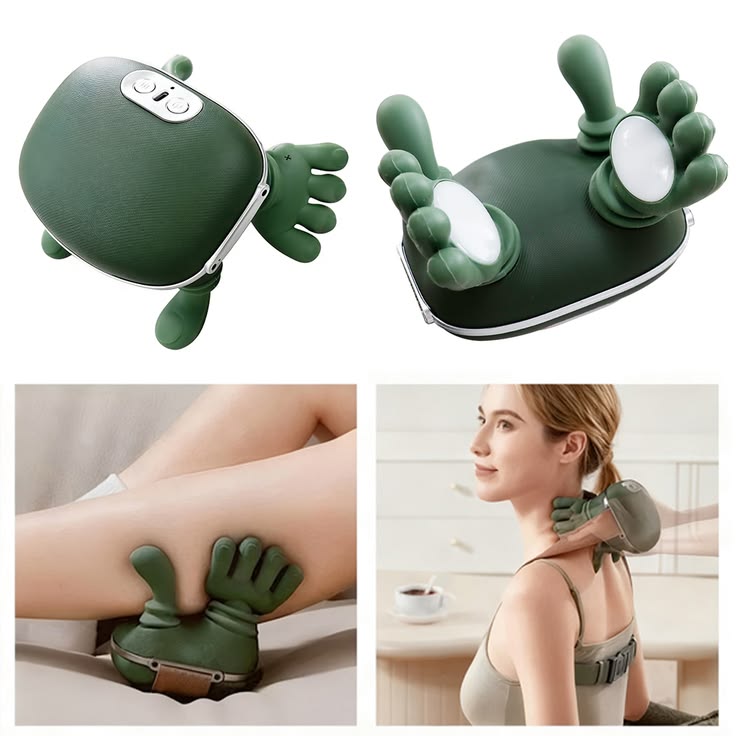
Shoulder pain is rarely just about the muscles. It is also about how well a device or support system fits the body it is trying to treat. A massager with strong mechanics but poor fit can miss key tension points, while a well-contoured design can deliver precise relief even with moderate intensity.
This is where ergonomic contour design has become a defining feature in modern shoulder massagers. Instead of treating the body as a flat surface, these devices are shaped to follow the natural curves of the neck, shoulders, and upper back—creating a more accurate and effective massage experience.
Understanding how these contours work explains why design is just as important as technology when it comes to muscle relief.
Why Shoulder Shape Matters in Muscle Relief
The shoulders are not a uniform surface. They are a complex structure of bones, joints, and overlapping muscles that move in multiple directions.
The Natural Shoulder Curve
The shoulder region wraps around the upper torso in a rounded form. Key muscles like the trapezius and deltoids sit at different depths and angles, meaning pressure must be applied from multiple directions to be effective.
Uneven Tension Distribution
Muscle tension does not spread evenly. Some areas hold deep knots, while others are more sensitive or fatigued. A flat or rigid device cannot adapt to this variation.
Movement and Flexibility Requirements
The shoulders are constantly in motion, even during rest. This makes flexibility in design essential for maintaining consistent contact during massage.
What Ergonomic Contouring Means
Ergonomic contouring refers to shaping a device so it aligns with the natural anatomy of the human body. In shoulder massagers, this means creating curves, angles, and pressure zones that match the structure of the neck and upper back.
Instead of forcing the body to fit the device, the device is designed to fit the body.
1. Shoulder-Hugging Frame Design
Modern Neck and Shoulder Massager often feature a wraparound structure that rests across the shoulders like a supportive collar.
This design ensures:
- Stable positioning during use
- Even distribution of pressure
- Continuous contact with key muscle groups
The “hugging” effect helps keep massage nodes aligned with tension points.
2. Curved Massage Node Placement
Massage nodes are strategically positioned along curved tracks that follow the trapezius muscle line. This allows the device to reach:
- The base of the neck
- The top of the shoulders
- The upper back junction
By matching muscle pathways, the massage becomes more targeted and efficient.
3. Adaptive Pressure Angles
Ergonomic designs allow nodes to press from different angles rather than a single fixed direction. This is important because shoulder muscles are layered and require multidirectional pressure to fully relax.
Angle variation helps reach deeper tissue without increasing overall force.
4. Flexible Frame Materials
Some modern designs incorporate flexible internal structures that adjust slightly to different body sizes and shapes. This improves comfort and ensures better contact with muscle groups.
Flexibility also reduces pressure points that could otherwise cause discomfort.
How Ergonomics Improves Massage Effectiveness
Good design enhances how mechanical features perform in real use.
1. Better Targeting of Muscle Knots
When a device fits closely to the shoulders, massage nodes naturally align with trigger points. This increases the likelihood of reaching deep knots in the trapezius and upper back.
2. More Even Pressure Distribution
Poorly fitted devices often concentrate force in small areas. Ergonomic contours spread pressure more evenly, reducing discomfort while maintaining effectiveness.
3. Improved Stability During Use
A secure fit prevents shifting during movement or intensity changes. This allows the massage to remain consistent throughout the session.
4. Enhanced Comfort Over Time
When a device matches body shape, users are more likely to use it for longer sessions without discomfort, improving long-term benefits.
The Role of Human Anatomy in Design
Ergonomic shoulder massagers are built around detailed anatomical understanding.
Trapezius Alignment
The trapezius muscle runs from the neck down to the shoulders and upper back. Contoured designs follow this path to ensure continuous contact.
Cervical Curve Support
The natural curve of the neck requires upward and inward pressure. Ergonomic shapes accommodate this curvature for better cervical support.
Shoulder Joint Movement Zones
The shoulder joint moves in multiple directions, so designs must allow slight flexibility to avoid restricting movement during massage.
Why Flat Designs Fall Short
Older or less advanced devices often use flat or rigid structures that do not adapt to body shape.
Missed Pressure Points
Flat surfaces may fail to reach deeper muscle layers or curved areas of tension.
Uneven Contact
Some parts of the shoulder may receive too much pressure while others receive too little.
Reduced Comfort
Poor alignment can cause discomfort, especially during longer sessions.
Ergonomics and Technology Working Together
Modern shoulder massagers combine ergonomic design with advanced mechanical systems.
Kneading Nodes
Work more effectively when aligned with muscle contours.
Heat Zones
Distribute warmth evenly across curved surfaces.
Adjustable Intensity
Becomes more effective when applied consistently across well-fitted areas.
This combination ensures that both design and function contribute to better results.
Benefits of Ergonomic Shoulder Massagers
When properly designed, ergonomic massagers offer several advantages:
Improved Muscle Relief
Better alignment leads to more effective tension release.
Faster Relaxation
Comfortable fit allows the body to relax more quickly.
Reduced Strain During Use
Even pressure prevents unnecessary discomfort.
Better Long-Term Use
Comfort encourages consistent daily use, which improves results over time.
Where Ergonomic Design Makes the Biggest Difference
Ergonomic contours are especially important for:
- Desk workers with chronic shoulder tension
- Individuals with posture-related pain
- People recovering from muscle fatigue
- Frequent travelers experiencing stiffness
In these cases, precise fit can significantly improve comfort and relief.
A Shift From Generic to Body-Specific Design
Modern wellness technology is increasingly moving away from one-size-fits-all solutions. Ergonomic shoulder massagers represent this shift by prioritizing anatomy-specific design over generic functionality.
This makes the experience more personalized, even in automated devices.
Final Thoughts
Ergonomic contours are not just a design feature—they are a core part of how modern shoulder massagers deliver effective relief. By shaping devices to match the natural structure of the body, manufacturers improve accuracy, comfort, and overall performance.
When combined with kneading technology, heat therapy, and adjustable intensity, ergonomic design ensures that every session is both targeted and comfortable.
In the end, the most effective massage is not just about power or technology—it is about fit. And when a device truly “hugs” the shoulders correctly, relief becomes deeper, faster, and more natural.