


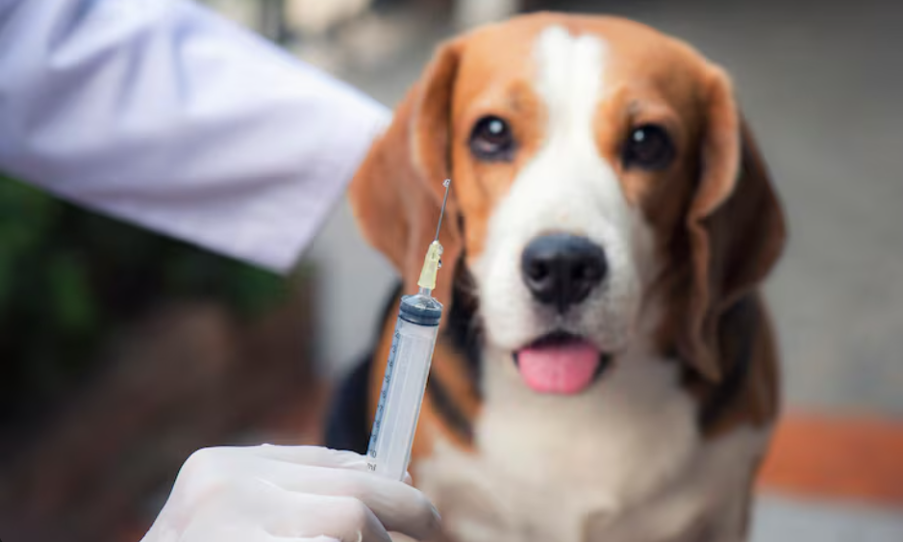
Ensuring the health and vitality of pets is one of the most important responsibilities for pet owners. Just like humans, animals require protection against diseases that can affect their overall well-being. One of the most effective ways to safeguard pets from illnesses and maintain their long-term health is through animal vaccinations. These vaccinations not only prevent common diseases but also contribute to a pet’s overall wellness and quality of life. Understanding the role of animal vaccinations can help pet owners make informed decisions about the care of their beloved companions.
The Importance of Animal Vaccinations for Preventing Diseases
Animal vaccinations play a crucial role in preventing both common and serious illnesses in pets. Vaccines help the immune system recognize and fight specific pathogens before they cause infection. For example, dogs can be protected from diseases such as rabies, parvovirus, and distemper through timely vaccinations. Similarly, cats benefit from vaccines against feline leukemia, rabies, and calicivirus. By providing immunity before exposure, animal vaccinations reduce the risk of severe illness, hospital visits, and even fatal outcomes.
Supporting Long-Term Wellness Through Vaccination
Regular animal vaccinations are not just about preventing immediate sickness; they are key to long-term wellness. Healthy pets are more energetic, active, and capable of enjoying daily activities. Vaccines help prevent chronic conditions that may arise from infections, ensuring pets maintain optimal health throughout their lives. This proactive approach allows pet owners to avoid complications that could arise from untreated diseases, ultimately enhancing the pet’s vitality and longevity.
Reducing the Spread of Contagious Diseases
Vaccinating pets is also a crucial public health measure. Many animal diseases, such as rabies, are not only dangerous for pets but can also affect humans. By ensuring pets are vaccinated, owners contribute to the broader prevention of disease outbreaks in communities. Animal vaccinations reduce the likelihood of pets transmitting infections to other animals or humans, creating a safer environment for everyone. This collective protection benefits both individual pets and the wider population.
Enhancing the Bond Between Pets and Owners
Healthy pets are happier and more active, which directly strengthens the bond with their owners. When pets remain free from preventable diseases, they can engage in regular play, exercise, and social interactions without discomfort or illness. This improved quality of life allows owners to enjoy the companionship of their pets fully, creating a positive and fulfilling relationship. Animal vaccinations, therefore, not only safeguard health but also enhance emotional well-being for both pets and their owners.
Planning a Vaccination Schedule
To maximize the benefits of animal vaccinations, it is essential to follow a structured vaccination schedule. Veterinarians can provide guidance based on the age, species, and lifestyle of the pet. Puppies and kittens usually require a series of vaccinations in their first months, followed by booster shots at regular intervals. Adult pets also need periodic boosters to maintain immunity. Regular check-ups and vaccinations ensure that pets are consistently protected, contributing to their long-term health and vitality.
Conclusion
Animal vaccinations are a cornerstone of responsible pet care. They prevent serious diseases, promote long-term wellness, and contribute to the overall vitality of pets. By following recommended vaccination schedules, pet owners can protect their companions from preventable illnesses, enhance their quality of life, and strengthen the bond they share. Ensuring pets receive timely vaccinations is not just a medical necessity; it is an investment in their lifelong health, happiness, and well-being.