


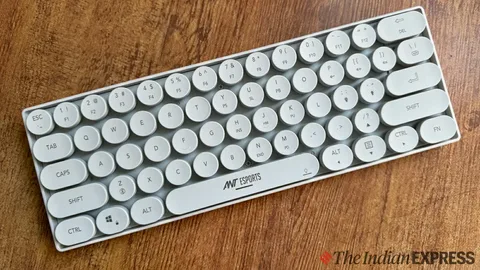
The Evolution of the Compact Keyboard: From 60% to 75% Layouts
In recent years, the world of mechanical keyboards has seen a significant transformation. Traditional full-sized keyboards are slowly making way for compact alternatives that offer portability without sacrificing functionality. The evolution of the compact keyboard: from 60% to 75% layouts highlights this shift in design philosophy and user preferences.
Understanding Compact Keyboards
Compact keyboards are smaller than standard 104-key keyboards, designed to save desk space while maintaining a comfortable typing experience. By removing or condensing certain keys, these keyboards offer portability, a minimalist aesthetic, and often improved ergonomics.
60% Keyboards: Minimalist and Mobile
The 60% keyboard layout is the most compact form of mechanical keyboards, omitting the function row, navigation cluster, and numeric keypad. This layout appeals primarily to gamers, programmers, and users who prioritize desk space and portability. Despite its smaller size, the 60% layout retains all essential typing functions through the use of function layers.
Key Advantages of 60% Layouts:
- Extremely compact and portable
- Simplified key positioning for faster typing
- Sleek aesthetic and modern design
65% and 70% Keyboards: The Middle Ground
Following the 60% layout, slightly larger designs like the 65% and 70% layouts emerged. These layouts typically reintroduce arrow keys and some navigation keys, offering a better balance between functionality and compactness. Users who found the 60% layout too limiting often gravitate toward these designs.
75% Keyboards: Compact Yet Complete
The 75% keyboard layout represents a sweet spot for many users. It retains almost all the keys of a full-size keyboard, including function and navigation keys, but arranges them in a denser, space-saving format. This layout appeals to professionals who need access to a wider array of keys without the bulk of a full-sized board.
The evolution of the compact keyboard: from 60% to 75% layouts shows a clear trajectory toward optimizing desk space while retaining key functionality. Today, users can choose a keyboard that perfectly suits their workflow, whether for gaming, programming, or office tasks.
Why Compact Keyboards Are Here to Stay
The shift from 60% to 75% layouts reflects a broader trend in tech: more efficiency in smaller packages. Compact keyboards reduce clutter, enhance portability, and offer customization options that traditional full-sized keyboards cannot. With the growing popularity of remote work and minimalist setups, the trend is unlikely to reverse.
Conclusion
From the ultra-portable 60% keyboards to the more functional 75% layouts, the evolution of the compact keyboard: from 60% to 75% layouts highlights the blend of efficiency, design, and functionality. As technology continues to evolve, these compact keyboards are expected to become even more versatile, catering to users who demand both form and function in their typing experience.
