


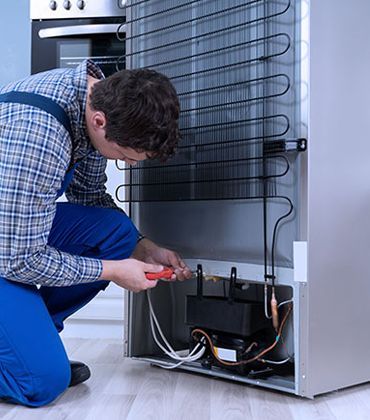
The Ultimate DIY Refrigerator Repair and Maintenance Checklist
Your refrigerator is one of the most essential appliances in your home, running 24 hours a day to keep food fresh and safe. Because it works continuously, even minor maintenance issues can reduce efficiency, increase energy costs, and shorten the appliance’s lifespan. The good news is that many refrigerator problems can be prevented—or even fixed—through simple DIY maintenance and troubleshooting.
Whether you’re looking to improve performance, avoid costly repairs, or extend the life of your appliance, this ultimate Refrigerator Repair in Orange County guide repair and maintenance checklist will help you keep your refrigerator in top condition year-round.
Why Refrigerator Maintenance Matters
Regular refrigerator maintenance offers several benefits:
- Improves energy efficiency
- Reduces utility bills
- Extends appliance lifespan
- Prevents unexpected breakdowns
- Maintains food safety
- Improves cooling performance
- Reduces repair expenses
Many homeowners overlook refrigerator maintenance until something goes wrong. A proactive approach can help identify small issues before they become major problems.
Monthly Refrigerator Maintenance Checklist
Performing these simple tasks every month can significantly improve your refrigerator’s performance.
Check the Temperature Settings
Proper temperatures are critical for food preservation.
Recommended Settings
- Refrigerator compartment: 37°F to 40°F (3°C to 4°C)
- Freezer compartment: 0°F (-18°C)
Use an appliance thermometer if you’re unsure whether your refrigerator is maintaining accurate temperatures.
Inspect Door Seals
Door gaskets create an airtight seal that prevents cold air from escaping.
What to Look For
- Cracks
- Tears
- Warping
- Dirt buildup
Quick Test
Close the door on a dollar bill. If it slides out easily, the gasket may need cleaning or replacement.
Wipe Down Interior Surfaces
Clean shelves, drawers, and walls regularly to prevent bacteria growth and unpleasant odors.
Cleaning Solution
Mix:
- Warm water
- Mild dish soap
- Baking soda (optional)
Avoid harsh chemicals that may contaminate food storage areas.
Check for Water Leaks
Look around and underneath the refrigerator for:
- Small puddles
- Excess condensation
- Moisture buildup
Catching leaks early can prevent floor damage and larger repair issues.
Every Three Months Maintenance Checklist
Quarterly maintenance focuses on improving airflow and cooling efficiency.
Clean the Condenser Coils
Dirty condenser coils are one of the most common causes of refrigerator inefficiency.
Why It Matters
Dust-covered coils force the compressor to work harder, increasing energy consumption and wear.
How to Clean
- Unplug the refrigerator.
- Locate the coils behind or beneath the appliance.
- Use a coil brush or vacuum cleaner.
- Remove dust, pet hair, and debris.
This simple task can significantly improve performance.
Vacuum Around the Refrigerator
Dust often accumulates around vents and beneath the appliance.
Regular vacuuming helps maintain airflow and prevents debris from reaching critical components.
Inspect Water Supply Lines
If your refrigerator has an ice maker or water dispenser, inspect the water line for:
- Cracks
- Kinks
- Loose fittings
- Moisture around connections
Replacing a worn water line early can prevent costly leaks.
Every Six Months Maintenance Checklist
Twice-yearly maintenance helps ensure optimal operation and reliability.
Clean the Drain Hole and Defrost Drain
A clogged drain can cause water leaks and ice buildup.
How to Clean It
- Locate the drain opening.
- Flush with warm water.
- Remove visible debris.
- Ensure water flows freely.
This helps prevent one of the most common refrigerator repair issues.
Check Refrigerator Leveling
An improperly leveled refrigerator can cause:
- Door alignment issues
- Water drainage problems
- Excess compressor strain
Use a carpenter’s level and adjust the leveling feet as needed.
Ideally, the refrigerator should tilt slightly backward so doors close naturally.
Examine Electrical Connections
Safely inspect:
- Power cord condition
- Plug connections
- Outlet stability
Look for:
- Frayed wires
- Burn marks
- Loose connections
If electrical damage is present, contact a qualified technician.
Annual Refrigerator Maintenance Checklist
These yearly tasks help maximize appliance lifespan.
Deep Clean Behind the Refrigerator
Move the refrigerator away from the wall and clean:
- Dust buildup
- Pet hair
- Dirt accumulation
This improves airflow and reduces overheating risks.
Inspect the Condenser Fan
The condenser fan helps cool the compressor and condenser coils.
Check For
- Dust buildup
- Obstructions
- Unusual noises
- Damaged blades
Clean carefully using a soft brush or vacuum attachment.
Replace Water Filters
Most refrigerators with water dispensers or ice makers require periodic filter replacement.
Benefits
- Better tasting water
- Improved ice quality
- Reduced strain on the filtration system
Follow the manufacturer’s recommended replacement schedule.
DIY Troubleshooting Checklist
If your refrigerator begins acting up, use this troubleshooting guide before calling a repair technician.
Refrigerator Not Cooling
Check:
- Temperature settings
- Dirty condenser coils
- Blocked air vents
- Overloaded shelves
- Door gasket condition
Possible DIY Fixes
- Clean coils
- Adjust settings
- Improve airflow
- Replace damaged gaskets
Water Leaking on the Floor
Check:
- Defrost drain
- Drain pan
- Water supply line
- Door seals
Possible DIY Fixes
- Clear drain blockage
- Replace cracked drain pan
- Tighten water line connections
Excessive Frost in Freezer
Check:
- Door seals
- Door closure
- Frequent opening habits
Possible DIY Fixes
- Clean or replace gaskets
- Reduce door opening frequency
- Remove ice buildup safely
Strange Noises
Check:
- Fan obstructions
- Loose panels
- Dirty condenser coils
- Refrigerator leveling
Possible DIY Fixes
- Tighten loose parts
- Clean coils
- Remove debris from fan areas
Ice Maker Not Working
Check:
- Water supply line
- Filter condition
- Ice maker switch position
Possible DIY Fixes
- Replace water filter
- Clear frozen fill tubes
- Restore water supply
Warning Signs That Require Professional Repair
While many refrigerator issues can be addressed at home, some problems require expert attention.
Call a technician if you notice:
- Compressor failure
- Refrigerant leaks
- Electrical burning smells
- Repeated circuit breaker trips
- Complete loss of cooling
- Persistent leaks despite maintenance
- Unusual grinding or clicking sounds from internal components
Attempting advanced repairs without proper training can be dangerous and may cause additional damage.
Essential Refrigerator Maintenance Tools
Keeping a few basic tools on hand can simplify maintenance tasks.
Recommended Supplies
- Vacuum cleaner with brush attachment
- Coil cleaning brush
- Appliance thermometer
- Soft microfiber cloths
- Mild detergent
- Baking soda
- Flashlight
- Level
- Screwdriver set
These inexpensive tools can help you perform most routine refrigerator maintenance safely and effectively.
Benefits of Following a Maintenance Schedule
Consistent refrigerator maintenance provides long-term advantages.
You Can Expect:
- Lower electricity costs
- Better cooling performance
- Longer appliance lifespan
- Fewer emergency repairs
- Improved food preservation
- Reduced risk of water damage
A few minutes of maintenance each month can save hundreds of dollars in future repair and replacement costs.
Conclusion
A refrigerator is a significant household investment, and regular maintenance is the key to protecting it. By following this DIY refrigerator repair and maintenance checklist, homeowners can prevent common issues, improve efficiency, and extend the appliance’s lifespan. Simple tasks such as cleaning condenser coils, checking door seals, clearing drains, and monitoring temperatures can make a substantial difference in performance and reliability.
With a proactive maintenance routine and basic troubleshooting skills, you can keep your refrigerator operating smoothly and avoid many of the costly repairs that arise from neglect.